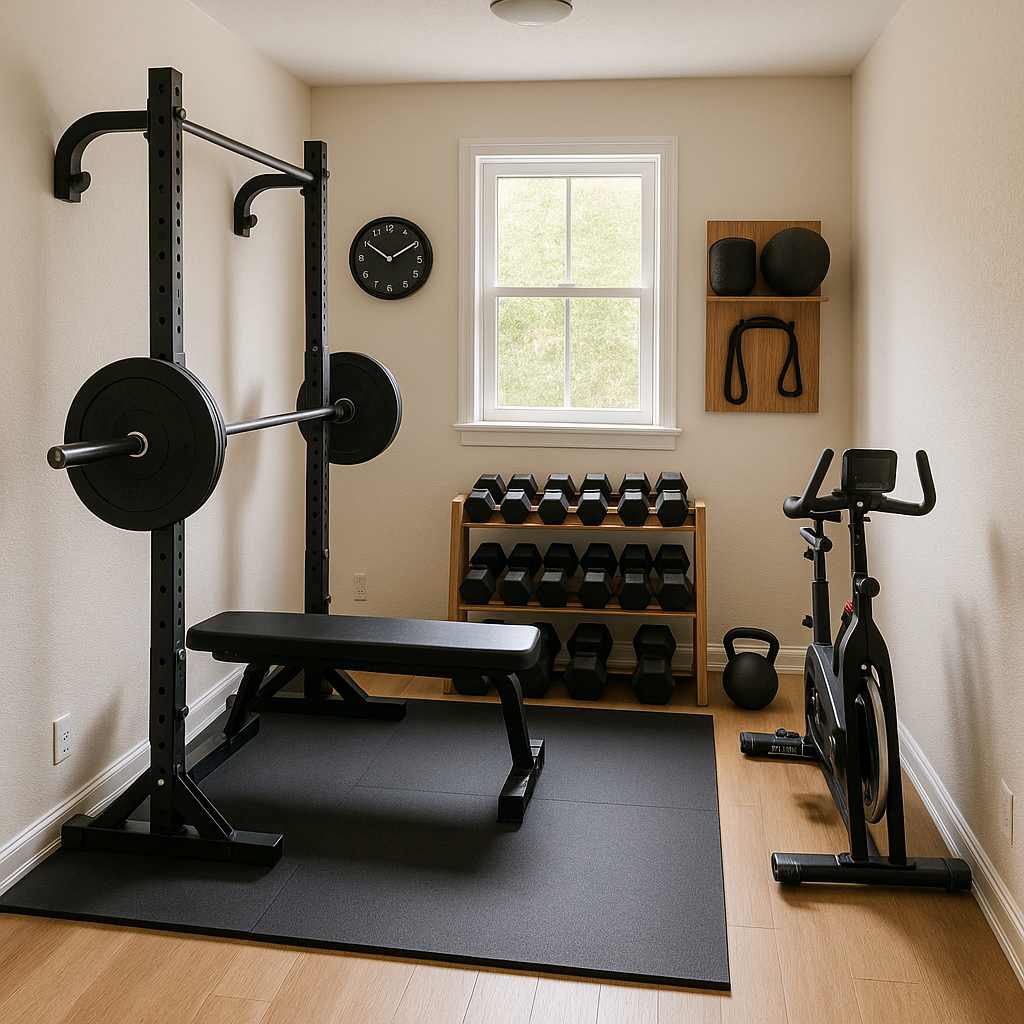
How to Start a Home Gym: A Comprehensive Guide

Setting up a home gym is an excellent way to prioritize fitness without the hassle of commuting to a commercial gym. Whether you’re a seasoned fitness enthusiast or a beginner, creating a home gym that suits your needs and space can lead to significant convenience and cost savings. This guide provides a detailed roadmap to help you establish an effective home gym tailored to your fitness goals, budget, and available space.
Understanding Your Space and Budget
Before purchasing any equipment, it’s crucial to evaluate your available space and define your budget. This foundational step ensures that you make informed decisions and avoid unnecessary expenses.
Evaluating Your Space
-
Measure Your Available Area: Whether it’s a spare room, basement, or corner in your living room, knowing the dimensions of your space is critical. For instance, a 10×10 foot room can accommodate a compact setup with a few key pieces of equipment.
-
Consider Ceiling Height: For equipment like treadmills or power racks, ensure you have adequate ceiling height to avoid accidents and allow full range of motion.
-
Plan for Ventilation: Proper airflow is essential, especially if you’re setting up in a basement or garage. Consider fans or small windows to maintain a comfortable workout environment.
Defining Your Budget
-
Set a Realistic Budget: The cost of setting up a home gym can vary widely. A basic setup can start around $500, while more advanced configurations can run into thousands.
-
Prioritize Your Needs: List down the essentials based on your workout preferences. If strength training is your focus, prioritize dumbbells or a power rack. For cardio, consider a treadmill or a stationary bike.
-
Factor in Long-term Savings: While the initial cost might seem high, compare it to annual gym membership fees to assess long-term savings.
Essential Equipment for a Home Gym
Choosing the right equipment depends on your fitness goals. Here’s a list of essential items to consider:
-
Dumbbells: Versatile and available in various weights, dumbbells are ideal for strength training and can fit into small spaces.
-
Resistance Bands: These are excellent for beginners and offer a cost-effective alternative to free weights. They’re portable and perfect for a range of exercises.
-
Treadmill or Stationary Bike: Both are excellent for cardio workouts. A treadmill requires more space, while a stationary bike can fit into tighter areas.
-
Yoga Mat: Vital for stretching, yoga, and floor exercises, a yoga mat is a must-have for any home gym setup.
-
Power Rack: If space and budget allow, a power rack can elevate your strength training with options for squats, pull-ups, and other exercises.
Budget-Friendly Equipment Options
Starting a home gym doesn’t have to break the bank. Here are some cost-effective options:
-
Buy Used Equipment: Check local classifieds or online marketplaces for second-hand equipment in good condition. This can significantly reduce costs.
-
Invest in Multi-Purpose Equipment: Items like adjustable dumbbells or a foldable bench can save money and space.
-
DIY Options: Consider homemade solutions for items like plyometric boxes or wall anchors for resistance bands.
Space-Saving Solutions for Small Areas
Making the most of limited space is crucial for a successful home gym setup:
-
Compact Equipment: Opt for foldable benches, stackable weights, and compact treadmills that can be stored easily.
-
Vertical Storage: Use wall mounts or shelving to keep equipment off the floor and organized.
-
Multi-Functional Furniture: Consider furniture that doubles as workout equipment, such as storage benches or stools.
Beginner vs. Advanced Equipment Choices
Your experience level will influence the type of equipment you need:
-
Beginners: Start with basic items like resistance bands, a yoga mat, and a few pairs of dumbbells. This setup allows for a variety of exercises without overwhelming choices.
-
Advanced Users: Consider investing in specialized equipment like a power rack, Olympic weights, and advanced cardio machines.
Safety and Maintenance Tips
Maintaining a safe and functional home gym is crucial to avoid injuries and extend the life of your equipment:
-
Regular Inspections: Check equipment regularly for wear and tear, especially moving parts like treadmill belts or resistance bands.
-
Proper Setup: Ensure all equipment is set up according to manufacturer guidelines to prevent accidents.
-
Clean and Sanitize: Regular cleaning prevents the buildup of dust and germs, keeping your gym inviting and hygienic.
Avoiding Common Setup Mistakes
Avoid these pitfalls to ensure your home gym is both effective and enjoyable:
-
Overestimating Space: Measure your area accurately to avoid buying equipment that won’t fit.
-
Ignoring Maintenance Needs: Regular upkeep of equipment is essential to prevent breakdowns and extend lifespan.
-
Buying Unnecessary Equipment: Focus on essentials and gradually add items as your fitness routine evolves.
-
Neglecting Ergonomics: Make sure that equipment is set up in a way that allows for a comfortable and safe workout environment, taking into account height and reach.
-
Poor Lighting: Ensure your workout area is well-lit to avoid accidents and create a more inviting space.
Real-Life Examples of Home Gym Setups
Here are some examples to inspire your home gym design:
-
Small Space Setup: A 10×10 room with a foldable treadmill, a set of dumbbells, and a yoga mat offers a balanced mix of cardio and strength training.
-
Budget-Friendly Setup: For around $500, consider used dumbbells, resistance bands, a second-hand stationary bike, and a durable yoga mat.
-
Advanced Setup: A garage gym with a power rack, Olympic barbell set, adjustable bench, and a treadmill caters to serious fitness enthusiasts.
Frequently Asked Questions
What equipment do I need for a home gym?
Essential equipment includes dumbbells, resistance bands, a treadmill or stationary bike, a yoga mat, and potentially a power rack for strength training.
How can I set up a home gym in a small space?
Utilize compact and foldable equipment, vertical storage solutions, and multi-functional furniture to maximize limited space.
What is the budget for starting a home gym?
A basic home gym can start at $500, with costs varying based on equipment choices and whether you buy new or used items.
How do I maintain my home gym equipment?
Regularly inspect for wear, ensure proper setup, and clean equipment to keep everything in good working order.