
Heart Rate Zones for Beginners: A Simple Guide for Home Workouts

Heart rate zones for beginners explained: how to estimate your max, a simple 5-zone chart by age, how your tracker uses zones and an easy weekly plan.
This article may contain affiliate links. If you buy through them, we may earn a small commission at no extra cost to you. Learn more.
Disclosure: Lilac Reviews is reader-supported. As an Amazon Associate we earn from qualifying purchases, at no extra cost to you. We don’t list prices because they change often; check Amazon for the current price.
Your fitness tracker probably shows colored heart rate “zones” during a workout, and maybe tells you that you spent 12 minutes in Zone 3. But what does that actually mean, and should you care?
This guide explains heart rate zones for beginners in plain language: how to estimate your maximum heart rate, what each zone feels like, how to use zones for walking, cycling or home cardio, and when the standard formulas don’t apply to you.
What heart rate zones are
Heart rate zones divide your effort into bands based on a percentage of your maximum heart rate. Lower zones are easy and sustainable; higher zones are hard and short. Training in zones is just a simple way to make sure easy days are easy and hard days are hard.
The American Heart Association describes moderate-intensity exercise as roughly 50 to 70% of your maximum heart rate and vigorous exercise as about 70 to 85%.
Step 1: estimate your maximum heart rate
The simplest formula is 220 minus your age. A 60-year-old’s estimated max is 160 beats per minute. It’s only an estimate: real max heart rate can be 10 to 20 beats higher or lower for an individual. Some people use 208 − (0.7 × age), which is a little more accurate for older adults. Either is fine for beginners.
Important: if you take medicines that affect heart rate, such as beta blockers, these formulas don’t apply. Ask your doctor what effort level is right, and use how you feel (the “talk test”) instead.
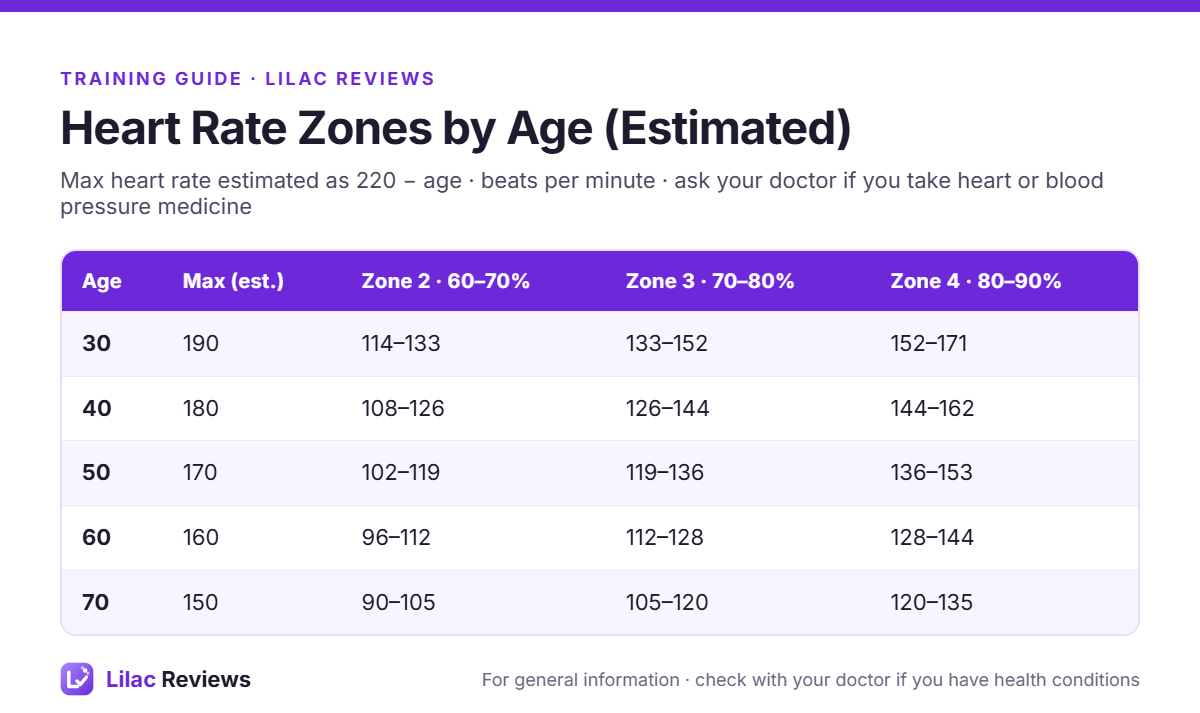
Step 2: understand the five zones
- Zone 1 (50–60% of max): very easy. Gentle walking, warm-ups, cool-downs. You can chat easily.
- Zone 2 (60–70%): easy, steady. Brisk walking, easy cycling. You can talk in full sentences. This is where most beginner endurance work should sit.
- Zone 3 (70–80%): moderate to hard. Breathing harder, short sentences. Good for tempo efforts.
- Zone 4 (80–90%): hard. A few words at a time. Short intervals.
- Zone 5 (90–100%): all-out. Very short sprints. Beginners rarely need it.
Step 3: use zones in a simple weekly plan
Most beginners do best with lots of easy work and a little hard work. Here’s a gentle week that fits the CDC’s 150 minutes of moderate activity guideline:
- Mon: 30 min Zone 2 walk or bike
- Tue: strength training
- Wed: 30 min Zone 2
- Thu: 25 min with 5 × 1 minute in Zone 3–4, easy between
- Fri: strength training
- Sat: 40–60 min Zone 1–2 walk
- Sun: rest or gentle stretching
Need workout ideas? Try our incline treadmill walking workout or low-impact elliptical workouts.
Do you need a heart rate monitor?
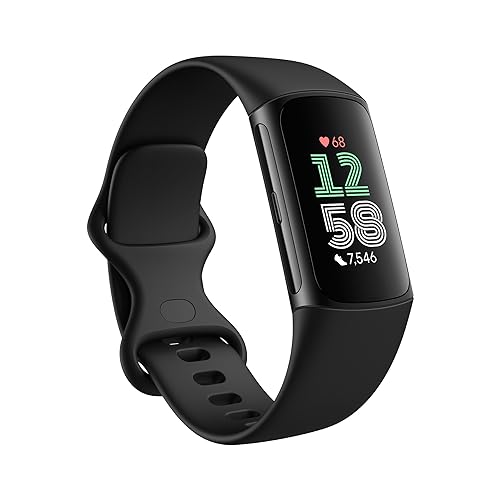
No. The talk test works: if you can talk but not sing, you’re at moderate effort; if you can only say a few words, it’s vigorous. But a monitor makes zones easier. Wrist trackers are fine for steady efforts; chest straps are more accurate for intervals. See our best heart rate chest straps guide.

Common beginner mistakes
- Every workout in Zone 3. It feels productive but leaves you tired. Keep most sessions easy.
- Trusting the formula over your body. If Zone 2 feels very hard, slow down. Your real max may be lower.
- Chasing numbers on hot days. Heart rate rises in heat and with poor sleep or dehydration. Go by effort.
- Ignoring warning signs. Stop and seek help if you feel chest pain, severe breathlessness, dizziness or an irregular heartbeat.
FAQ
What heart rate zone is best for fat burning?
Zone 2 uses a higher share of fat for fuel, but total calories matter more for weight. A mix of easy and harder exercise plus diet is what works.
What is a good heart rate zone for seniors?
For most healthy older adults, Zone 2 (about 60–70% of estimated max) for most sessions is a good starting point. Ask your doctor, especially if you take heart medicines.
Is 220 minus age accurate?
It’s a rough estimate. Many people’s real max differs by 10 to 20 beats. Use it as a starting point and adjust by feel.
How do I find my resting heart rate?
Check your pulse first thing in the morning before getting up, or use your tracker’s resting heart rate reading.
Bottom line
Estimate your max, keep most workouts in Zone 2, add a little Zone 3–4 once or twice a week, and always let how you feel override the numbers.
This article is for general information and is not medical advice. Talk to your doctor before starting an exercise program, particularly if you have heart conditions or take medicines that affect heart rate.
This guide is for general information only and is not medical advice. Talk to a qualified professional before starting a new exercise program, especially if you have an injury or health condition.